What it means to have high blood pressure - Denton Record Chronicle
Texas A&M AgriLife Extension Service recognizes National High Blood Pressure Awareness Month. Blood pressure is a term we hear at our doctor's office, but understanding what it is and how it affects us can go far beyond those walls.
According to the Centers for Disease Control and Prevention, blood pressure is defined as "the pressure of blood pushing against the walls of your arteries. Arteries carry blood from your heart to other parts of your body." High blood pressure, or otherwise known as hypertension, is when your blood pressure is higher than normal and can lead to additional health issues.
Amy Valdez, an Extension program specialist with Texas A&M AgriLife Extension, shares that "high blood pressure is known as a 'silent killer' since there are no symptoms or warning signs. Nearly 1 in every 2 American adults has high blood pressure, and only about a fourth of individuals with high blood pressure have their condition under control. This makes it extremely important that we spread awareness and educate our residents on the matter."
Blood pressure is measured by two numbers: systolic and diastolic blood pressures. Systolic blood pressure identifies the blood pressure measured in the arteries when the heart beats. Diastolic blood pressure identifies the blood pressure that is measured in between heartbeats when the arteries are at rest.
These numbers are read as systolic blood pressure over diastolic blood pressure — for example, 117/79 could be read as a blood pressure of 117 over 79.
Guidelines set by the American College of Cardiology and American Heart Association divide blood pressure readings into five categories:
Normal — systolic less than 120 and diastolic less than 80
Elevated — systolic 120-129 and diastolic less than 80
High blood pressure Stage 1 (hypertension) — systolic 130-139 or diastolic 80-89
High blood pressure Stage 2 (hypertension) — systolic 140 or higher, or diastolic 90 or higher
Hypertensive crisis (consult your doctor immediately) — systolic higher than 180 and/or diastolic higher than 120
Valdez shares that "while knowing these blood pressure ranges is great, it is imperative to check with your health care team to accurately identify your blood pressure readings. Knowing your readings can identify if your blood pressure is within normal ranges or in the elevated or high ranges; and if a medical treatment plan is needed to manage or prevent any further health issues."
While it is possible for individuals of all ages to have high blood pressure, there are certain risk factors that can increase the chances of having hypertension.
Certain risk factors are uncontrollable, such as genetics, age and ethnicity. Controllable risk factors are those that we can play a role in and include eating an unhealthy diet, physical inactivity, obesity, overconsumption of alcohol, and tobacco use.
It is vital to understand our risk of high blood pressure, as people with high blood pressure are at a greater risk of developing conditions associated with the heart, including heart failure and heart attack, as well as stroke, chronic kidney disease and Type 2 diabetes.
There are steps that individuals can take in order to help prevent or reduce our risk of high blood pressure. These include modifying lifestyle habits such as getting sufficient sleep, limiting alcohol consumption, eliminating smoking, keeping weight in a healthy range, incorporating physical activity (recommendations suggest adults get at least 150 minutes of moderate activity each week) and eating healthy, well-balanced meals incorporating different food groups such as vegetables, fruits, grains, dairy and protein.
For previously diagnosed individuals with high blood pressure, it is important to continue managing their condition to reduce their risk of further health issues. These individuals can work on managing their high blood pressure by making healthy lifestyle modifications such as exercising and incorporating a healthy eating pattern, measuring their blood pressure on a regular basis, managing other conditions such as diabetes, taking medications as prescribed and working with their health care team to create a treatment plan that best fits them.
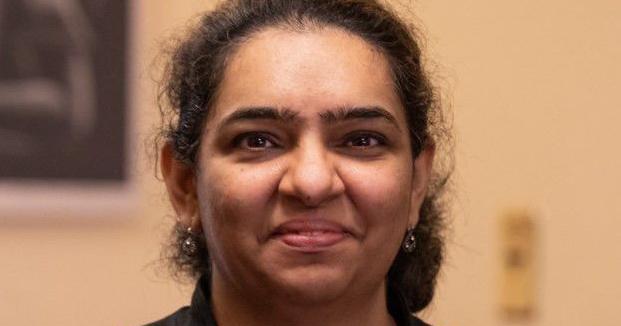
For more information on National High Blood Pressure Awareness Month, contact your Denton County Family & Community Health Extension Agent, Chandani Kothari, at chandani.kothari@ag.tamu.edu or 940-349-2886.


Comments
Post a Comment